
Category / Ladderax Modular Furniture
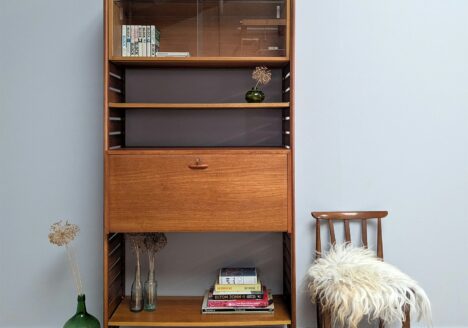
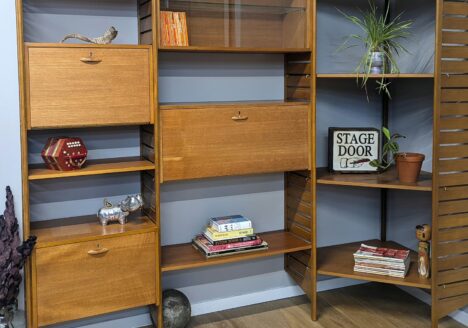
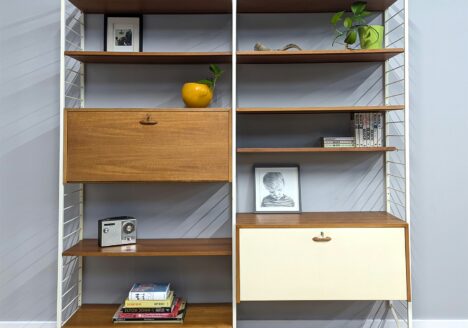
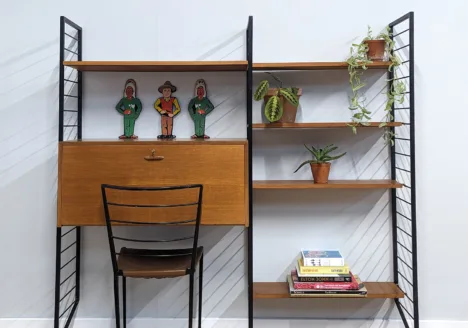
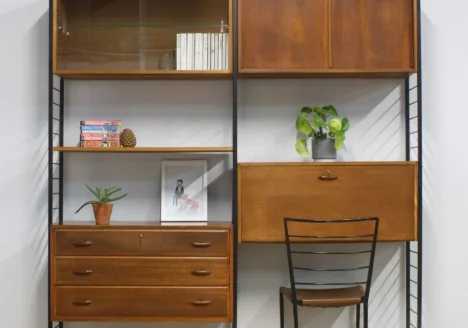
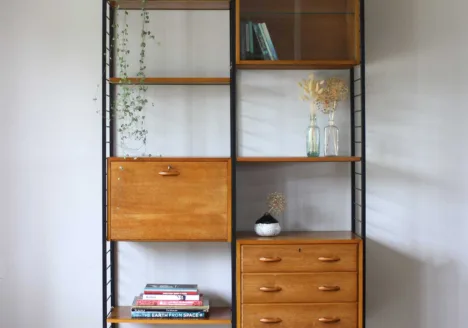
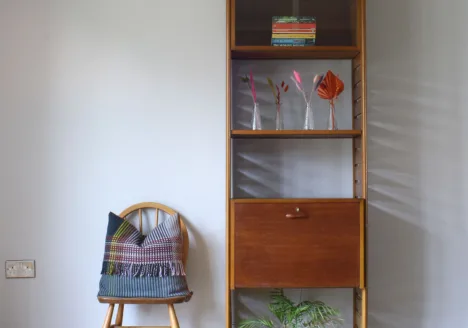
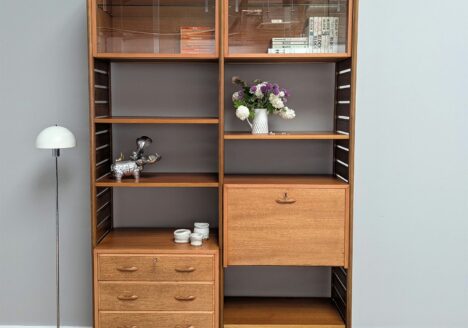
Ladderax furniture was introduced in 1964 by British designer Robert Heal for Staples of Cricklewood, London, during the height of the mid-century modern movement. Conceived as a modular storage system, Ladderax combined upright “ladder” supports with shelves, cabinets, and desks that could be easily rearranged. This flexible, self-supporting design meant it did not require wall fixing, making it both practical and innovative for post-war homes. At a time when Scandinavian design dominated the market, Ladderax offered a more affordable, British-made alternative while maintaining the same clean lines and minimalist aesthetic.
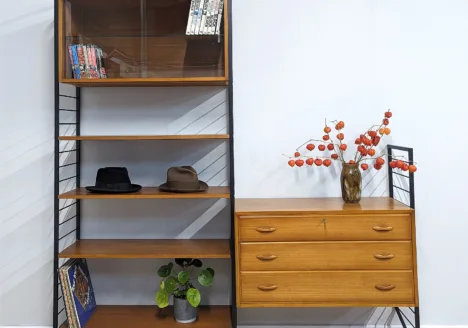
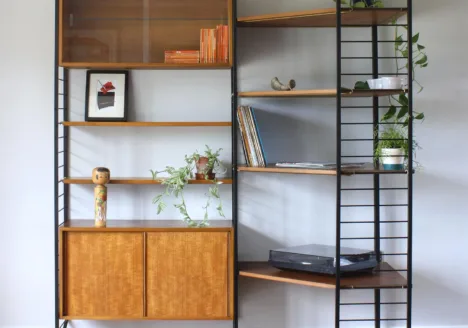
Its enduring appeal lies largely in this adaptability. Unlike traditional furniture, Ladderax systems can evolve with the user: components can be added, removed, or repositioned as needs change. The combination of warm teak veneers with slim steel supports creates a balance between natural texture and industrial lightness, giving the pieces a timeless visual clarity. This adaptability and understated elegance have made original Ladderax units highly sought after by collectors and design enthusiasts decades after their production ended in the 1980s.
Ladderax works particularly well in modern interiors because its principles align with contemporary living. Open-plan spaces benefit from furniture that is visually light and multifunctional, and Ladderax’s modular structure allows it to function as shelving, storage, or even a workspace without overwhelming a room. Its emphasis on simplicity, flexibility, and efficiency mirrors current design priorities, proving that well-considered mid-century design can remain relevant. Ultimately, Ladderax endures because it is not just furniture, but a system—one that continues to adapt as living spaces evolve.